How to Create an Analog Room at Home (and Actually Unplug), According to Experts
:max_bytes(150000):strip_icc()/13MorganteWilson29277_LR-0178b80b92e344459b595adf0fc6d97f.jpg "How to Create an Analog Room at Home (and Actually Unplug), According to Experts")
Staring at a screen all day and relying on our phones for everything can be incredibly draining and overstimulating. That’s why people have begun creating analog rooms—spaces intentionally free of screens where you can relax and stimulate your mind without being overwhelmed. “We live in a digital world where phones, iPads, TVs, and smart homes are everywhere,” says Gladys Schanstra, owner and creative director of Chicago-based Drury Design. “An analog space is a bit of a pendulum swing—a way to step back from constant bombardment and reconnect with something tactile. It’s where the brain can slow down, where you can think, be creative, even be a little bored again. That’s often where the best ideas come from.”
“I’m hearing a lot more requests from clients for designs that will help them ‘switch off,’” says Joyce Huston, co-founder and lead designer at Decorilla. “Analog rooms help people do that in the literal sense. But switching off from doomscrolling can be harder than most people think, and analog spaces should be designed to help people take their minds off what’s going on in the digital world and connect with the here and now.”
Interested in creating your own analog room? We spoke with experts for tips on creating your own tech-free zone.
Set Up a Library Area
Set yourself up for success by getting rid of any screens and creating an environment that encourages reading. “Look to history for inspiration,” says architect Peter Miles of The Drawing Board. “Create a drawing room or library by lining an entire wall with books and have a cozy corner with an armchair and lamp to settle down and read. Absolutely no televisions or screens.”
Huston agrees: “So many of us neglect reading in lieu of doomscrolling, and a bookshelf for a mini library nook is a perfect addition to an analog room,” she says. “Curate this to what’s on your reading list or titles that pique your interest. This makes an analog space something you look forward to returning to every day.”
Add Lots of Texture and Vintage Touches
“In our digital world, textures matter more than ever,” explains Abigail Plantier, partner and interior designer of The All Inn Hotel and founder of Maximalist Interior Design. “Imperfect is the new immersive. When designing an analog space, I like to incorporate vintage signage, handwritten touchpoints, and vinyl. I’ll also opt for found objects over branded sets.”
Layer Your Lighting
“Keep lighting soft and warm with strategically placed lamps to avoid sensory overload,” Huston says. Overhead lighting can be harsh, so opt for small lighting scattered around the room to help you feel cozy and relaxed when you enter.
“Make sure the room has natural light, and for when the sun doesn’t shine, use sconces, small lamps, and other light fixtures,” Miles suggests.
Choose a Grounding Palette
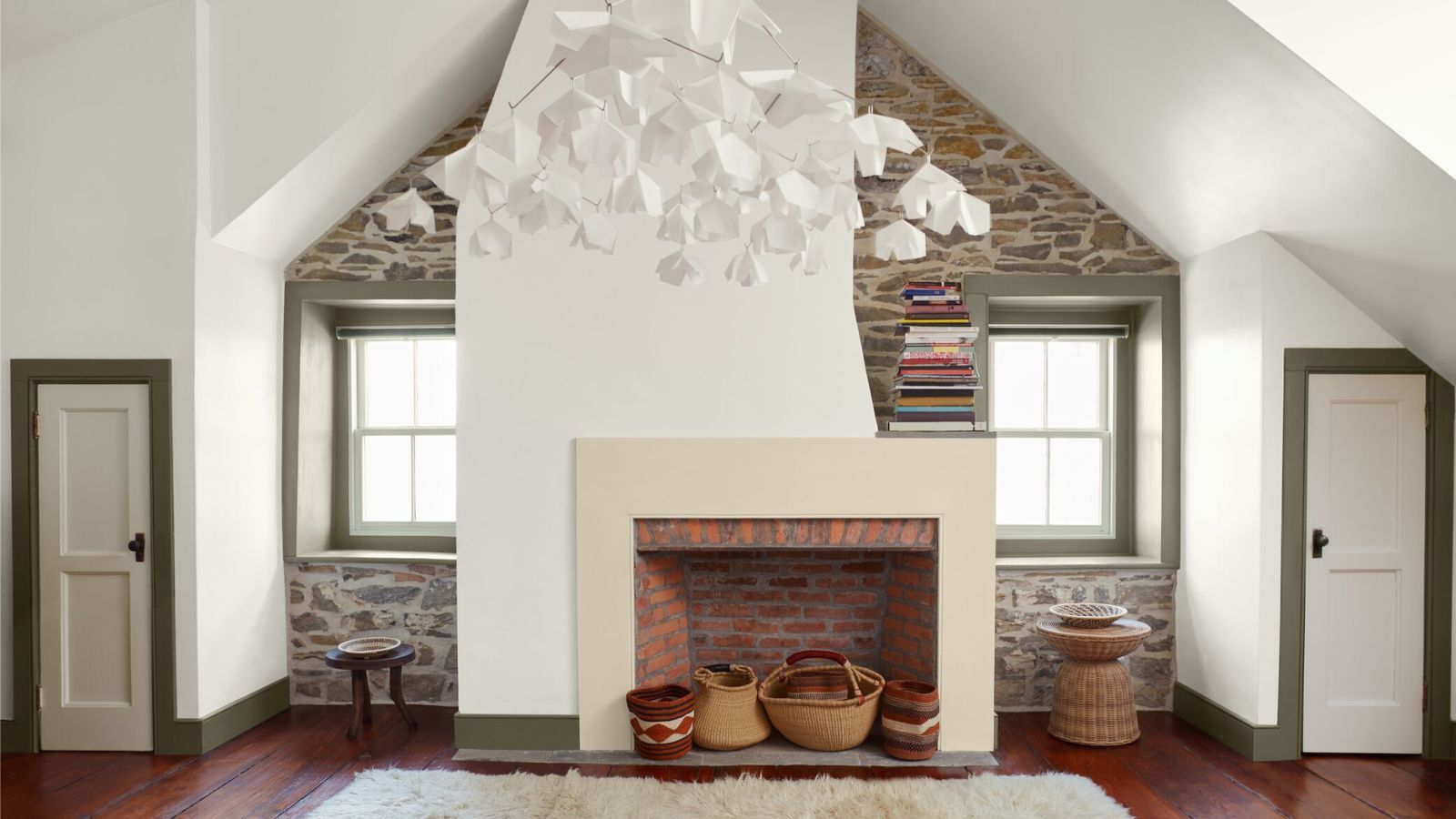
“Grounding, calm color palettes are the way to go,” says Huston. “You can’t go wrong with soft neutrals like cream and beige, which can be accentuated by earthy or natural tones like light blue, terracotta, deep greens, and rich browns.” Being surrounded by these calming shades will help you unwind and feel relaxed in your screen-free space.
Hide the Door
K. Tyler, a partner at Morgante Wilson Architects, suggests a fun twist on creating your own analog room. “A hidden door in a bookcase creates a sense of separation from the rest of the home,” she says. “It mentally gives you a feeling of unplugging from the real world.” If that’s not an option for you, consider adding a curtain in front of the door to create a similar sense of immersion in your screen-free room.
Have a “Drop Zone” for Tech
Since we’re all constantly glued to our phones, it’s a good idea to have a basket outside the door where you can drop your tech before entering your analog room. Having the physical reminder to ditch the screens can help you and your family commit to being unplugged.
Designate Areas for Specific Activities
“Design a corner with favorite board games, and next to it, place a low-lying seating element or a neutral rug where people can sit down and play,” says Mary Mazumdar, designer and CEO and founder of furniture and decor brand Belle Aura. She also suggests setting up a small table with sketchbooks, colored pencils, and journals where people can sit and write. With your mind free from screen fatigue, you’ll have more energy to connect with your hobbies and fully unwind.
Zero in on Good Seating
Almost all of the experts we spoke to mentioned focusing on seating. Deep, upholstered chairs or a cozy sofa encourage relaxation and a soft spot to read or meditate. Also, think about adding stackable chairs or nesting stools that can be easily stored away but brought out when needed for group gaming or convos and cocktails.
link